Quiet Kills: How Mastering Sound Gives Long-Range Hunters a Deadly Edge
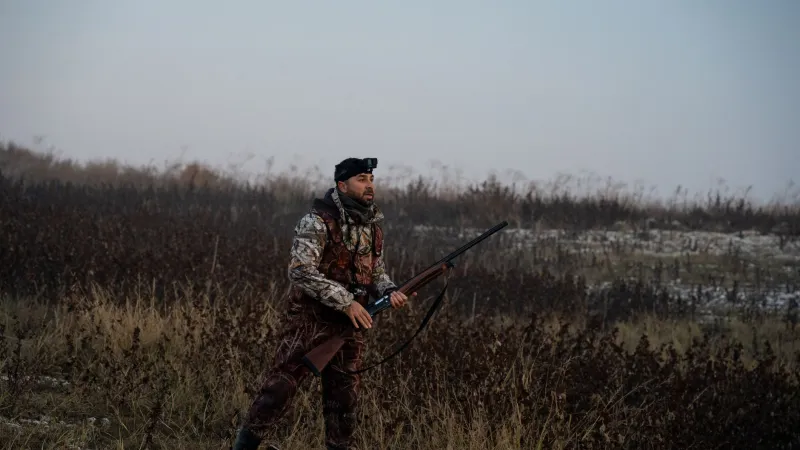
Ask a serious backcountry hunter what separates a filled freezer from a long walk out empty-handed, and you'll get a dozen different answers. Optics. Cartridge selection. Patience. Wind reading. All valid. But spend enough time talking to the hunters who consistently connect at 600, 800, even 1,000 yards, and a theme starts to emerge that doesn't get nearly enough airtime: sound.
Not just the crack of a muzzle. We're talking about the whole acoustic picture—how noise travels through canyon country versus open prairie, why a suppressor does more than protect your hearing, and how the best hunters in the field have trained themselves to read their environment the same way a musician reads a room.
The Physics Nobody Talks About
Sound moves at roughly 1,125 feet per second at sea level on a standard day. Your bullet, if you're shooting anything worth mentioning, is moving three to four times faster. That gap is exactly why animals react to the sonic crack before the muzzle blast even reaches them—and why understanding sound propagation isn't just academic, it's tactical.
In open, flat terrain, sound radiates outward in a fairly predictable sphere. But throw a canyon wall, a ridgeline, or a dense stand of timber into the mix, and that sphere bounces, funnels, and echoes in ways that can completely disorient an animal—or, if you're careless, alert every elk on the mountain to your position before you chamber a follow-up round.
"Hunters underestimate how much terrain shapes the acoustic environment," says Mike Callahan, a competitive long-range shooter and former Army sniper instructor based out of Boise, Idaho. "In a steep canyon, a shot can sound like it came from the opposite wall. Animals don't always bolt in the direction you'd expect. If you understand that, you can use it. If you don't, it costs you."
Suppressors: More Than a Hearing Aid
The suppressor conversation in hunting circles has historically centered on hearing protection and neighbor relations on private land. Both legitimate. But the tactical case for running a can in the backcountry goes deeper than decibels.
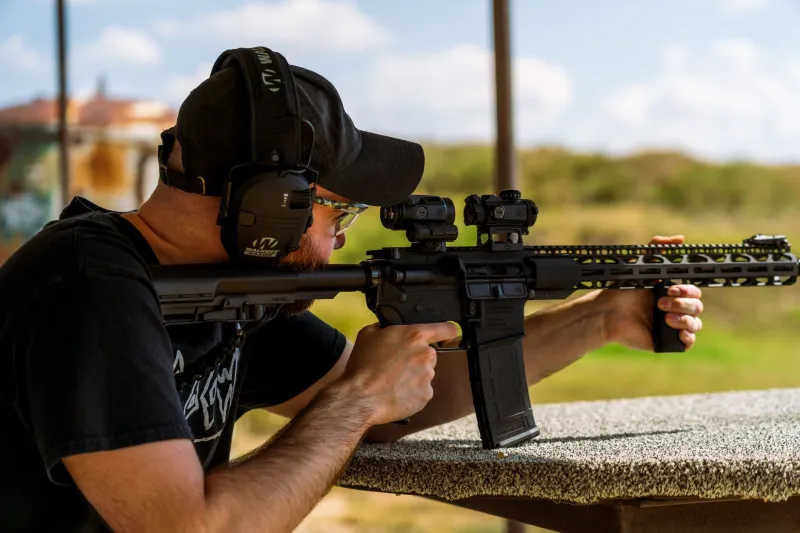
A quality suppressor—think SilencerCo Harvester, Dead Air Nomad, or the popular Banish series from Silencer Central—typically reduces muzzle report by 25 to 35 decibels. That's not "Hollywood quiet." A suppressed .308 is still plenty loud. But it's enough to fundamentally change how animals respond to a shot.
Unsuppressed, a muzzle blast is sharp, directional, and immediate. Animals key in on it fast. Suppressed, the report is softer, more diffuse, and often harder to localize. In practical terms, that can mean the difference between a missed animal standing confused at 400 yards and a bolted herd that won't stop running until the next county.
There's another angle here that competitive shooters have been leveraging for years: suppressor use dramatically reduces felt recoil and muzzle rise, which means faster target reacquisition and better spotting of your own impacts. On a precision rifle stage in a backcountry competition, those fractions of a second matter enormously.
Reading the Acoustic Landscape
Elite hunters don't just manage the sounds they make—they actively listen to the environment around them. Wind direction and speed affect how sound travels. Cold, dense air carries noise farther than warm air. A temperature inversion layer, common in mountain valleys at dawn, can trap sound and amplify it in ways that feel almost supernatural if you haven't experienced it before.
Water features—rivers, creeks, stock tanks—create constant ambient noise that masks movement sound and can work in your favor on the stalk. But they also mask the sounds you're trying to hear: a bull bugling at distance, hooves on shale, the soft exhale of a mule deer bedded in the brush.
"I spend a lot of time just sitting and listening before I ever pick up a rifle," says Cassidy Renfrow, a backcountry elk guide working the Frank Church Wilderness in central Idaho. "The guys who rush that part—who treat the acoustic environment like background noise—they work harder and kill less. Sound tells you where everything is if you know how to hear it."
Renfrow's approach involves deliberate sound mapping: identifying ambient noise sources, noting wind shifts and their acoustic effects, and choosing shooting positions not just for line of sight but for how a shot will sound from the animal's perspective.
Practical Applications for the Field
So how does a hunter actually put this into practice? A few starting points:
Run a suppressor if you legally can. Suppressor ownership is legal in 42 states. The NFA process takes patience, but the tactical and ethical advantages are real. Fewer animals lost to shot-spooked herds is a win for conservation and your tag success rate.
Scout acoustically, not just visually. On your pre-season scouting trips, pay attention to how sound moves through your hunting area. Clap your hands at different positions. Listen for echoes. Note where terrain channels or deadens noise.
Choose your shot position with sound in mind. A position that puts a ridgeline between you and the rest of the herd can mean the difference between a single clean shot and educating every animal in the drainage.
Practice at different times of day. The acoustic environment at 6 AM in a mountain valley is completely different from midday. Train your ears in the same conditions you'll be hunting.
The hunters who treat sound as a first-class variable—right alongside wind, elevation, and bullet drop—are the ones filling coolers and hanging antlers year after year. It's not glamorous, and it doesn't photograph as well as a new optic setup. But in the wilderness, quiet is often the deadliest advantage you can carry.