Built for the Backcountry: How Elite Shooters Train Their Bodies to Perform When It Hurts
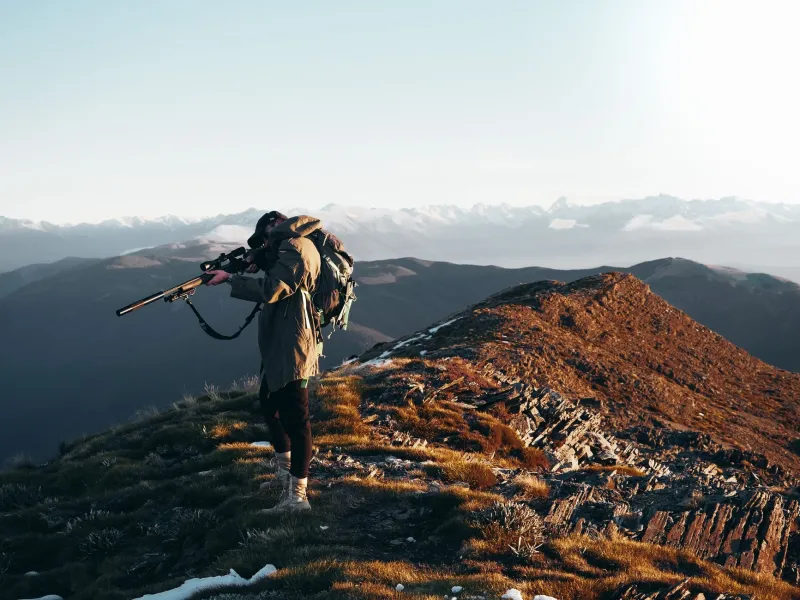
There's a romantic notion that great shooting is all in the mind—that marksmanship is a cerebral pursuit, won or lost between the ears. Spend a week in the Sawtooths chasing elk at 9,000 feet, or grind through a two-day backcountry precision rifle competition with a 50-pound pack and 15 miles of vertical terrain, and that idea falls apart fast.
The truth is, the best long-range hunters and wilderness shooters in the country are athletes. Not in the way that term gets thrown around loosely—genuinely conditioned, deliberately trained, physically prepared people who've figured out that a steady trigger pull at 700 yards means nothing if your legs are blown out, your heart rate is spiking at 160, and your hands are shaking from cold and exertion.
So what does that training actually look like?
The Problem with Range-Only Preparation
Most shooters train at the range. Bench, bipod, calm conditions, controlled breathing, shot after shot. That's valuable—fundamentals matter, and you can't skip them. But it creates a dangerous illusion of competence that the backcountry dismantles quickly.
In a wilderness setting, you're rarely shooting from a position of comfort. You've just climbed 2,000 feet. Your pack is still on. You've got maybe 30 seconds to set up before the shot opportunity evaporates. Your breathing is ragged, your pulse is pounding in your ears, and the wind just shifted.
"Range training builds the skill. Field training builds the ability to use that skill under duress," explains Travis Hendricks, a competitive precision rifle shooter and fitness coach based in Missoula, Montana, who specializes in working with hunters and backcountry competitors. "The gap between those two things is where most people lose their hunts and their matches."
Hendricks has spent years developing training protocols specifically for what he calls "performance under physiological stress"—the ability to execute precise motor skills when your body is screaming at you to breathe and recover.
Cardiovascular Base: The Foundation Nobody Wants to Build
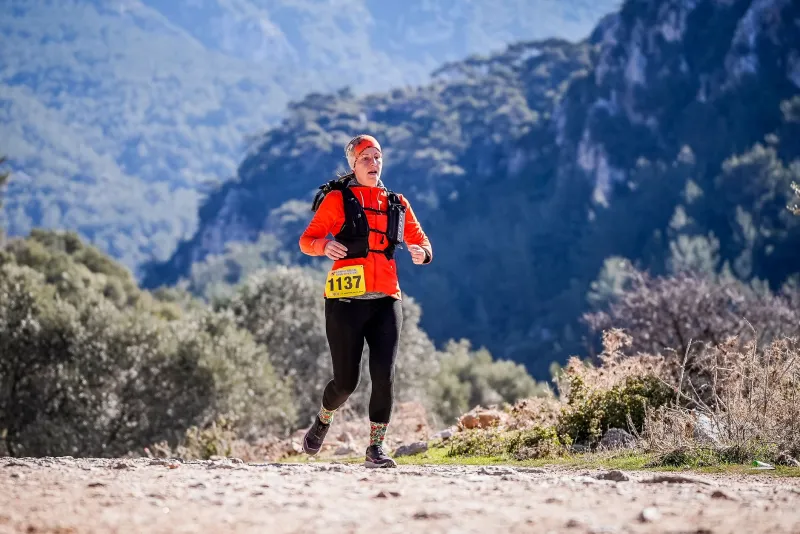
It's not exciting. It doesn't involve barbell PRs or impressive Instagram content. But every elite backcountry athlete interviewed for this piece pointed to the same foundation: a deep aerobic base built through consistent, lower-intensity cardio work.
Rucking—walking with a loaded pack—is the gold standard here, and for good reason. It mimics the actual demand of backcountry travel, builds load-bearing strength in the hips and lower back, and develops the kind of slow-burn cardiovascular endurance that keeps you functional on day three of an elk hunt when your legs feel like wet concrete.
The general consensus among serious backcountry athletes: four to six hours of zone two cardio per week in the off-season, with pack weight gradually increasing from 20 to 50 pounds over several months. That's not a fun Saturday morning. That's a commitment.
Hiking steep terrain whenever possible beats flat road work for hunting-specific preparation. Treadmill incline work is a reasonable substitute when mountain access isn't practical, but nothing fully replaces actual elevation gain.
Strength Training: Functional Over Flashy
The gym work that transfers to wilderness performance looks different from conventional bodybuilding. The goal isn't mass or max-effort lifts—it's functional durability. Hip hinge patterns (deadlifts, Romanian deadlifts, kettlebell swings), single-leg work (step-ups, Bulgarian split squats, lunges with a loaded pack), and core stability are the pillars.
Shoulder and upper back resilience matters more than most hunters realize. Hours spent prone, shooting off a bipod, or carrying a rifle at the ready puts repetitive stress on the posterior chain of the shoulder. Rows, face pulls, and band work keeping the rotator cuff healthy aren't glamorous, but a blown shoulder in the middle of a backcountry hunt is a trip-ending disaster.
"I tell my clients to think about injury prevention as performance enhancement," says Hendricks. "The best training program in the world means nothing if you're limping out of the field on day two."
Shooting Under Stress: Training the Trigger Finger Last
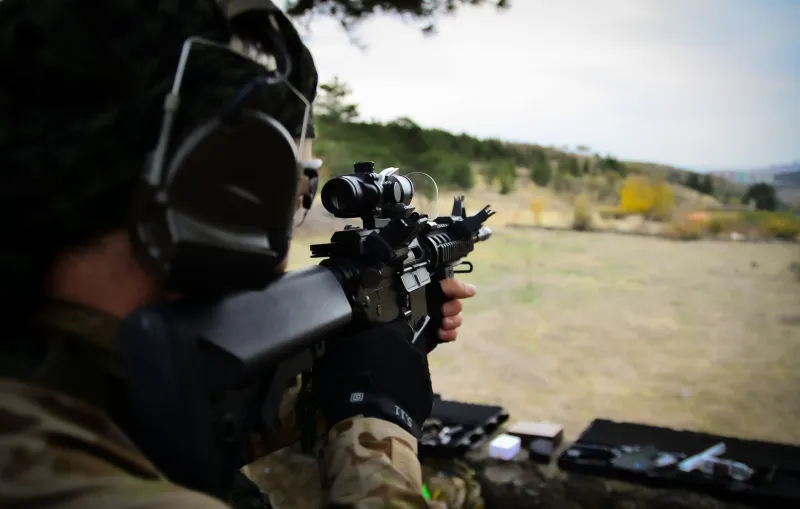
One of the most effective—and underutilized—training methods for backcountry shooters is the elevated heart rate drill. Simple concept: perform a set of burpees, box jumps, or a short sprint, then immediately get behind the rifle and shoot for group.
The results are humbling at first. Shots that were clean and consistent from a rested position open up dramatically when your heart rate is at 150 BPM. But with consistent practice, the body adapts. You learn to control your breathing faster, identify the natural respiratory pause more efficiently, and execute the trigger break during the narrow window your physiology allows.
Some competitive shooters run heart rate monitors during practice sessions specifically to correlate performance data with physiological state. It sounds overly technical until you realize that understanding exactly how your shooting degrades at different heart rates gives you a precise recovery target before taking a shot in the field.
Recovery: The Part Everyone Skips
Hard training without intelligent recovery is just accumulated damage. For backcountry athletes operating in remote environments, recovery isn't a luxury—it's a performance variable as important as the training itself.
Sleep is non-negotiable. Seven to nine hours in the weeks leading up to a major hunt or competition isn't laziness, it's preparation. Sleep deprivation degrades fine motor skills, decision-making, and emotional regulation—all critical under field pressure.
Nutrition in the backcountry demands real planning. Caloric needs during heavy mountain days can exceed 4,000 to 5,000 calories. Underfueling is one of the most common mistakes hunters make on extended trips, and the consequences—cognitive fog, strength loss, cold intolerance—show up exactly when you can least afford them. High-quality freeze-dried meals, calorie-dense snacks (nuts, jerky, nut butter packets), and consistent hydration form the backbone of any serious backcountry nutrition plan.
Post-exertion recovery protocols used by elite competitors include contrast temperature therapy (alternating cold and warm exposure), targeted mobility work for hip flexors and thoracic spine, and deliberate downtime—sitting still, breathing, letting the nervous system downshift before the next day's demands.
The Mental Side Nobody Admits Is Hard
Physical conditioning is visible and measurable. Mental resilience is harder to quantify, but every experienced backcountry athlete knows it's the variable that closes the deal or breaks it.
The ability to stay calm, methodical, and focused when you're exhausted, cold, and staring at the opportunity you've been building toward for months is a trained skill. Visualization, controlled breathing practice (box breathing and tactical breathing are both widely used), and deliberate exposure to discomfort in training—cold water, sleep restriction, high-intensity effort before precision tasks—all build the mental callus that field performance demands.
The backcountry doesn't grade on a curve. It doesn't care how good you are on the bench at your home range. Train accordingly.