Mud, Mountains, and Trigger Time: Inside the World of Extreme Competitive Shooting
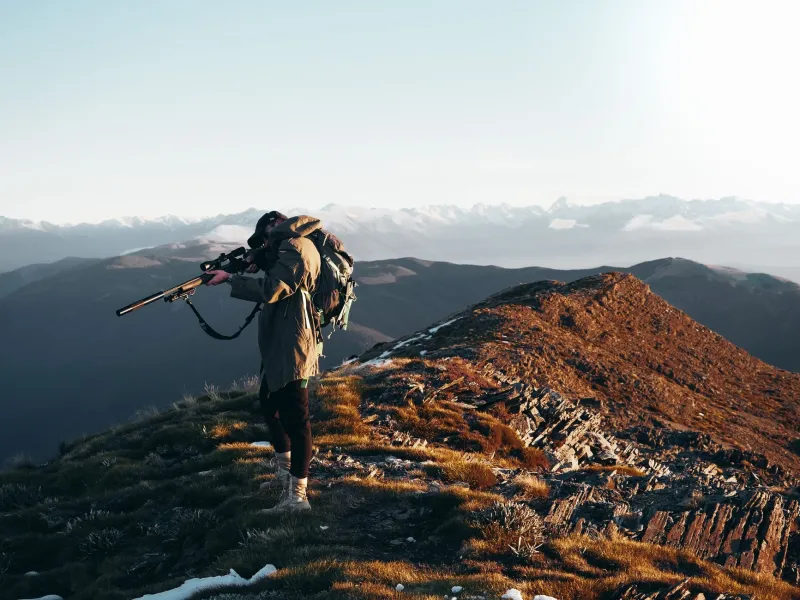
Mike Trevino is breathing hard. He's been moving for 22 minutes across a rocky hillside in western Colorado — pack on, rifle slung, calves burning from the elevation. He drops behind a boulder, transitions to prone, and has exactly 90 seconds to engage five steel targets ranging from 200 to 650 yards. His heart rate, he'll tell you later, was somewhere north of 175 beats per minute when he broke the first shot.
He hit four of five. In competition terms, that's a solid run. In terms of raw human performance, it's remarkable.
Mike isn't a special operations soldier, though his background includes years of serious backcountry hunting. He's a competitor in the fast-growing world of extreme precision shooting sports — a movement that's pulling in adventure athletes, military veterans, hunters, and fitness junkies who want something more than a static range experience can offer.
What Exactly Are These Sports?
The umbrella is broad, but a few disciplines sit at the center of this movement.
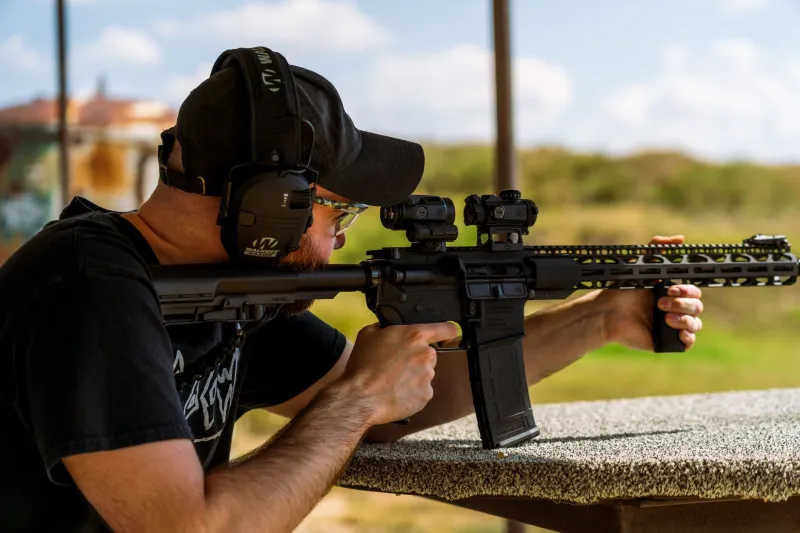
Precision Rifle Series (PRS) and similar long-range matches challenge competitors to engage targets at distances from 300 to well over 1,000 yards from improvised field positions — barricades, rooftops, vehicles, hillsides. Speed matters as much as accuracy. You're scored on hits per unit of time, and the positions you're required to shoot from are anything but comfortable.
3-Gun competition blends rifle, pistol, and shotgun into fast-moving stages that test transitions, movement, and decision-making under pressure. Top 3-gun athletes are genuinely extraordinary to watch — fluid, fast, and precise in a way that looks almost choreographed until you realize the chaos they're managing in real time.
Wilderness tactical courses are a newer and arguably more intense evolution. These events — sometimes called "mountain rifle" or "backcountry precision" matches — layer in physical demands directly. Competitors hike significant distances between shooting positions, carry full packs, and are often scored on a combination of time and accuracy that punishes both the slow and the imprecise equally.
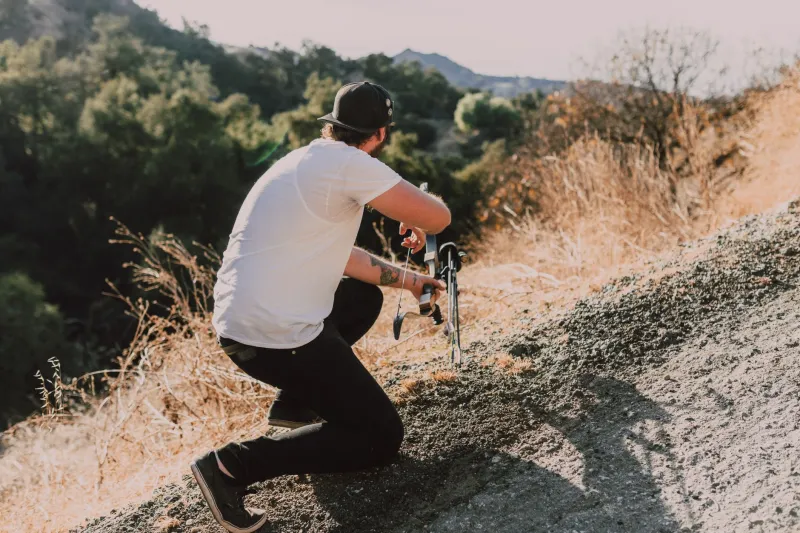
Then there's NRL Hunter, a format specifically designed to bridge the gap between competition and real-world hunting scenarios. Shots are taken from positions and distances you'd actually encounter in the field. It's less about gaming the sport and more about developing genuine hunting competency under pressure.
The Athletes Behind the Triggers
What strikes you when you spend time around these competitors is how diverse the community is. There are former military and law enforcement shooters, sure, but there are also endurance athletes who came to shooting from trail running and found that adding a marksmanship component gave their fitness a new purpose. There are hunters who wanted to sharpen their field shooting skills and discovered a competitive community they didn't know existed.
Sarah Langford, a Wyoming-based competitor who runs NRL Hunter events, describes her entry into the sport as almost accidental. "I'd been elk hunting for years and I wanted to be more confident at distance. Someone told me about a local match, I showed up with my hunting rifle, and I was immediately hooked. The community is incredible, and the skills translate directly to the field."
That crossover between competition and hunting is a recurring theme. Unlike some shooting sports that have drifted toward highly specialized equipment and techniques that don't translate to field use, wilderness-based precision shooting keeps one foot firmly in real-world application.
What Training Actually Looks Like
There's no shortcut here, and the athletes in these sports will be the first to tell you that. Competitive precision shooting at this level demands two things that don't always go together: elite physical conditioning and refined technical skill. Building both simultaneously is the challenge.
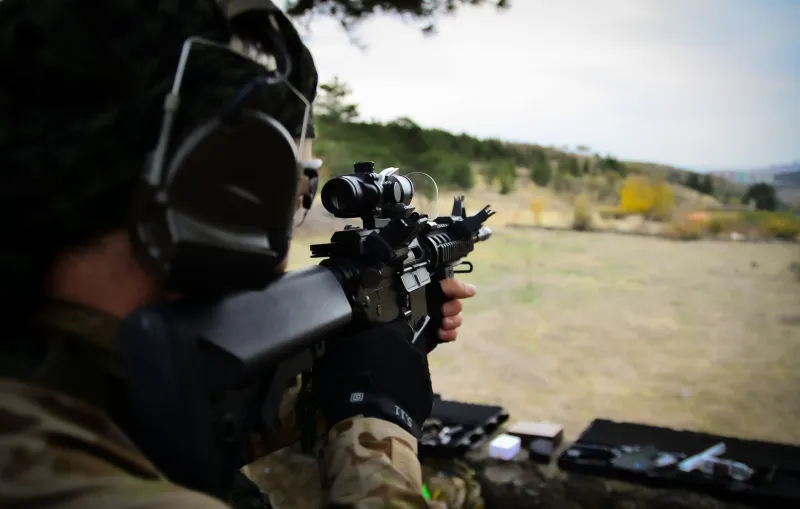
A typical training week for a serious competitor might look something like this: two or three range sessions focused on position shooting, andload development or confirmed ballistic data out to maximum engagement distances. Alongside that, three to five days of physical training — weighted ruck marches, trail running, strength work that emphasizes posterior chain and core stability. The goal is to be able to shoot well when your body is telling you to do anything but.
"The hardest thing to train is the mental piece," says Trevino. "When your heart is hammering and your legs are shaking and you've got 60 seconds on the clock, your fundamentals either hold or they don't. You have to build them so deep that stress doesn't shake them loose."
Breath control, trigger discipline, position stability — these aren't just range fundamentals at this level. They're stress-inoculation skills that have to work when the athlete is genuinely taxed.
Why This Movement Is Growing
These sports are pulling people in for a reason that goes beyond the mechanics. In a culture that increasingly values challenge, authenticity, and earned accomplishment, extreme precision shooting offers something hard to replicate elsewhere.
You can't fake a hit at 800 yards from a hillside after a two-mile hike. The target either rings or it doesn't. There's a clarity to that feedback that resonates deeply with competitors who are tired of participation trophies and manufactured difficulty.
For the hunting community specifically, these sports offer a compelling off-season training ground. The hunter who spends a season competing in field-based precision matches is a fundamentally better marksman when September arrives. They've shot from stress, from fatigue, from awkward positions, in wind, and under time pressure. The elk on that ridge doesn't know any of that — but the hunter does.
At Lost River Ballistic, we've always believed that where the wild meets the shot is where the most honest version of these sports lives. The wilderness doesn't grade on a curve, and neither do these competitions. That's exactly the point.
If you're looking for a way to push your shooting further than a flat range will take you, find a local PRS or NRL Hunter match, show up with your hunting rifle and an open mind, and prepare to learn something about yourself. The mud and the miles are part of the curriculum.