Glass, Gadgets, and Grit: The Tech Revolution Hitting Mountain Hunters Hard
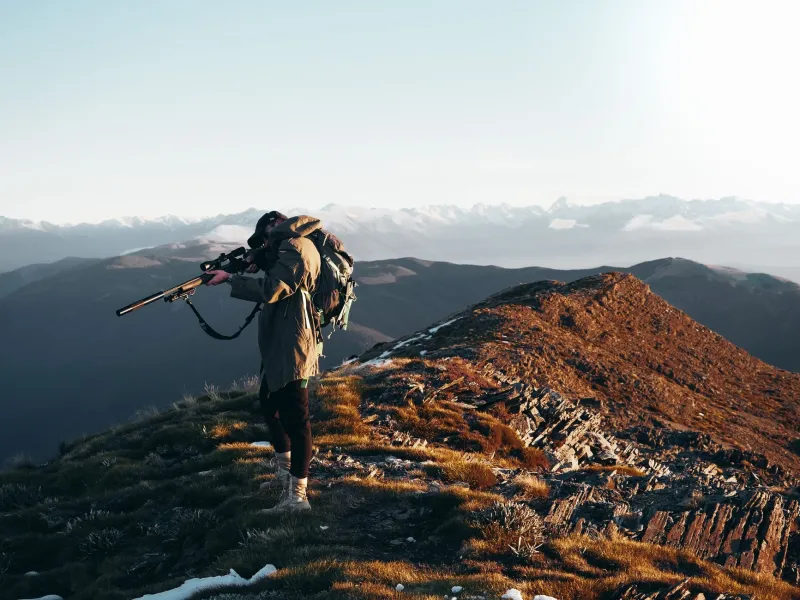
There's something almost sacred about glassing a remote ridgeline at first light — your breath fogging in the cold air, a thermos of black coffee going lukewarm in your pack, and a bull elk half a mile out doing exactly what you hoped he'd do. That moment hasn't changed. What has changed, dramatically and fast, is everything else around it.
The mountain hunting world is in the middle of a full-blown technology surge, and whether you're a longtime backcountry veteran or a newer hunter just cutting your teeth on steep country, the tools now available would've seemed like science fiction a decade ago. Advanced glass, precision ammunition engineered to absurd tolerances, and yes — even drones — are reshaping what's possible when you head into the high country.
The Optics Arms Race
Let's start with what most hunters interact with first: their glass. Premium optics have always been worth the investment, but today's offerings have crossed into territory that genuinely changes how hunters engage with mountain terrain.
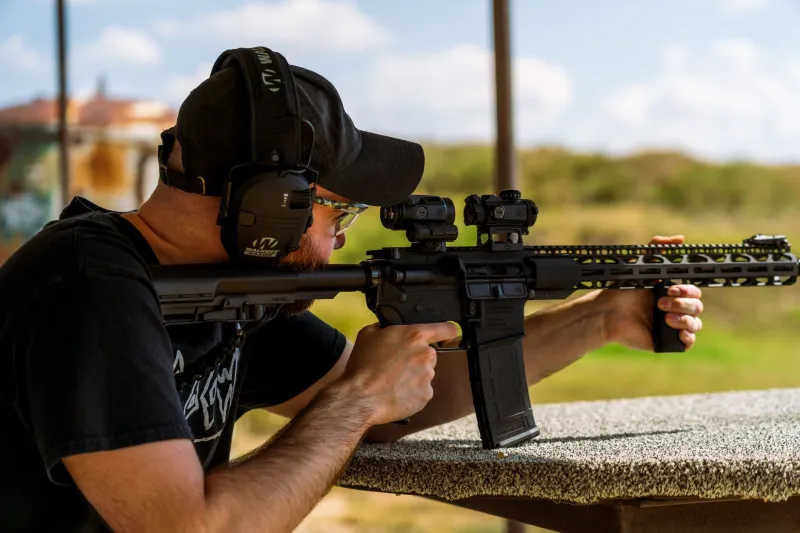
Modern rangefinding binoculars — units from brands like Leica, Swarovski, and Sig Sauer — now integrate angle compensation, atmospheric data, and Bluetooth connectivity to pair with ballistic calculators on your phone. You're not just getting a range anymore. You're getting a firing solution in real time, accounting for the 30-degree uphill angle, the 8,000-foot elevation, and the 12 mph crosswind.
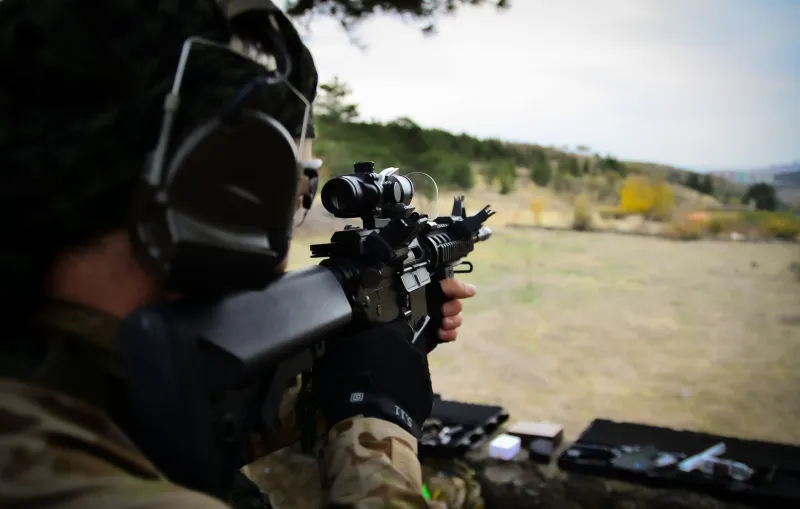
Riflescopes have followed suit. First-focal-plane reticles with built-in ranging capabilities, turrets that click in true MOA or MRAD, and illuminated reticles designed for low-light shooting in the alpenglow — these aren't luxury items for the elite anymore. Mid-tier price points have made serious glass accessible to serious hunters who are willing to prioritize their budget.
The practical upside is real: hunters are making more ethical shots because they have better information. Fewer wounded animals, more clean kills, more meat in the freezer. That's not a small thing.
Precision Ammunition: When the Round Does Some of the Work
The ammunition side of the equation has gotten equally interesting. Factory ammunition today — from Federal Premium's Terminal Ascent line to Hornady's ELD-X loads — is built to standards that match or exceed what handloaders were achieving just a few years back. High ballistic coefficient bullets, tight tolerances, and consistent powder charges mean that your factory ammo is no longer the weak link in a long-range system.
For the handloaders out there, the components available now are remarkable. Match-grade brass, temperature-stable powders, and projectiles designed specifically for extended ranges have turned the reloading bench into a precision lab. Pair that with modern chronographs that can measure muzzle velocity to single-digit foot-per-second accuracy, and you can build a load with a known ballistic profile that holds tight out past 800 yards.
That number — 800 yards — is where the ethical conversation starts getting loud.
The Drone Question: Useful Tool or Slippery Slope?
Nothing has stirred the pot in mountain hunting circles quite like the arrival of consumer drones. The technology itself is neutral; it's the application that divides hunters sharply.
Proponents point to legitimate scouting uses: pre-season glassing of remote basins, checking trail conditions, even recovering downed game in rugged terrain where a human recovery could take hours or risk injury. There's a real case to be made that a drone used responsibly before the season opens is no different from aerial maps or satellite imagery — both of which most hunters use without a second thought.
Critics, though, raise a valid counter. When does scouting become surveillance? When does technology start substituting for woodsmanship? A hunter who spends years learning to read terrain, wind, and animal behavior has earned something that can't be downloaded. There's a legitimate worry that drone dependency erodes that earned knowledge base.
Regulations vary by state and land management agency, and hunters are responsible for knowing them cold. Many public land units already restrict or prohibit drone use during hunting seasons, and those rules exist for good reason. The ethics of fair chase — a cornerstone of American hunting tradition — demand that we think carefully about where we draw the line.
Finding Your Balance in the High Country
Here's the honest take from where we stand at Lost River Ballistic: technology isn't the enemy of traditional mountain hunting. But it's also not a substitute for it.
The hunters who are using these tools most effectively aren't replacing their skills — they're extending them. They still put in the miles, still read the mountain, still make the hard calls. The rangefinding binos just give them a precise number to confirm what their experience already suggested. The precision ammo backs up a shot they've already decided is ethical based on their own abilities and conditions.
If you're considering upgrading your mountain hunting kit, here are a few practical guideposts:
Know your effective range before you push it. All the technology in the world doesn't matter if you haven't put in the range time to shoot confidently at distance under physical stress. Practice shooting after a hard uphill hike. Practice shooting from field positions on uneven ground. Know your limits honestly.
Invest in glass before guns. A better scope or bino will improve your hunting more than a new rifle in most cases. Glass is where mountain hunters live.
Understand the regulations in your specific unit. Drone rules, electronic calling restrictions, and other tech-related regulations vary widely. Do your homework.
Don't let the gear replace the grind. The mountain still demands respect. No ballistic app calculates wind swirling through a canyon with perfect accuracy. No drone tells you what the elk are doing right now. You still have to be there, be present, and be ready.
The ridge hasn't changed. The elk haven't changed. The technology has — and used thoughtfully, it gives mountain hunters more tools to pursue this sport with precision and integrity. That's worth something, as long as we hold onto the grit that got us up here in the first place.