No Such Thing as a Rest Day: How Serious Backcountry Hunters Are Staying Sharp Between Hard Miles
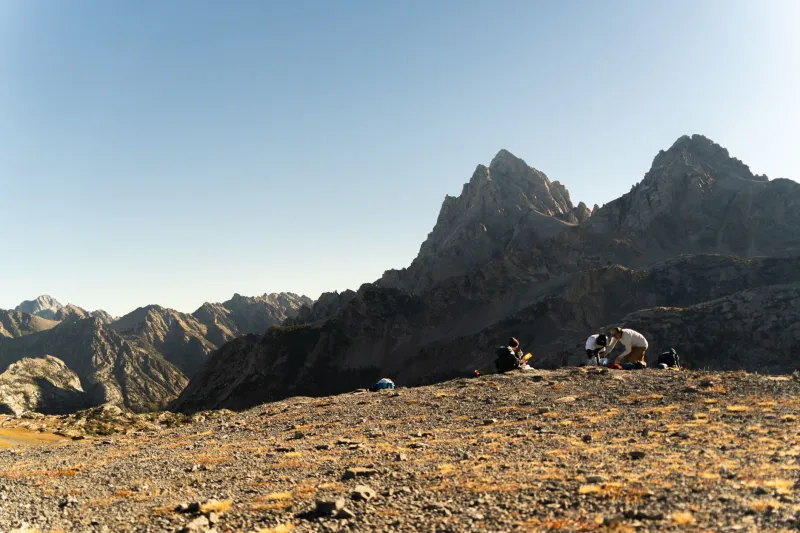
Day three in the backcountry has a way of sorting people out. You've burned through your reserves, your legs feel like wet concrete, and the alarm goes off at 4:30 a.m. again. How you respond to that moment — physically and mentally — has everything to do with what you did the day before. Not just how hard you pushed, but how smart you recovered.
For a long time, the answer most hunters gave to that question was simple: rest. Eat something, sleep as much as you can, and let your body reset. That advice isn't wrong, exactly. But a growing number of serious backcountry hunters are finding that passive rest alone is leaving performance on the table — and they've started borrowing heavily from elite endurance athletics to do something about it.
Why Passive Rest Falls Short at Elevation
Here's the thing about high-altitude hunting that a lot of people underestimate: your body is already working overtime just to exist up there. At 10,000 feet or above, your cardiovascular system is compensating for reduced oxygen availability around the clock. You're burning more calories at rest. Your sleep quality degrades. Your muscles are recovering in a physiologically compromised environment.
Just lying in your tent isn't giving your body the reset you think it is. In many cases, complete inactivity at elevation can actually slow circulation and allow metabolic waste products — the stuff that makes your muscles feel trashed — to pool rather than clear.
Mike Torrance, a backcountry elk guide out of western Montana who's spent the better part of two decades living in vertical terrain during September and October, noticed this pattern years ago. "I used to tell clients to take it easy on day two if they were hurting. Just eat and sleep. And I'd watch them come out worse on day three. Now I structure their recovery completely differently, and the results are night and day."
Active Recovery: Moving to Heal
The concept of active recovery isn't new in sports science, but its application to hunting is still catching on. The basic idea is that low-intensity movement — think an easy 30-minute walk, light stretching, or deliberate mobility work — promotes blood flow without adding meaningful stress to the body. That circulation helps flush out lactic acid and other byproducts of hard effort while delivering oxygen and nutrients to damaged muscle tissue.
For backcountry hunters, this might look like a short, flat reconnaissance walk on a lighter day. It might mean spending 20 minutes working through hip flexors and thoracic mobility before bed. It might be as simple as not sitting completely still for hours at a time when you're glassing.
Torrance has started building active recovery sessions into multi-day hunts explicitly. "We'll have a morning where we're not making a big push. Instead of telling guys to sleep in, I get them up, we do a slow walk to a glassing point a mile out, and we spend time on movement. They feel better by afternoon than they would have if they'd just stayed in camp."
Cold Exposure: Borrowed From the Athletes
If you've spent any time in the hunting fitness community online, you've probably seen the cold plunge content. It can feel like a lot of theater — influencers dunking themselves in ice barrels for clicks. But strip away the performance of it and there's legitimate physiology underneath.
Cold water immersion and cold exposure therapy have solid research support for reducing inflammation, accelerating muscle recovery, and improving sleep quality. For hunters, the backcountry already provides the raw materials. Mountain streams are cold. Snowmelt runoff is very cold. You don't need a fancy tub.
Several hunters interviewed for this piece described using creek immersion — even just legs and lower body — as a regular part of their evening recovery routine during multi-day expeditions. "It sounds brutal, and honestly it is for about two minutes," said one Montana whitetail hunter who now applies similar tactics to his September backcountry mule deer trips. "But I sleep better, I wake up less stiff, and by the time I've been doing it three days straight, I feel like I'm actually adapting to the terrain instead of just surviving it."
The key caveat here is safety. Cold water exposure in wilderness settings carries real risks, particularly for hypothermia. This isn't something to do carelessly, alone, or without understanding your own limits and the conditions you're working in.
Altitude Acclimatization as a Recovery Tool
Elite mountain athletes have long understood that how you approach altitude in the days before a hard effort shapes everything that follows. Hunters often don't have the luxury of extended acclimatization windows — you fly into Bozeman, drive to the trailhead, and start climbing. But there are ways to work with altitude rather than against it even mid-expedition.
Strategic elevation changes during recovery periods — dropping to a lower camp to sleep, then moving back up for hunting — can meaningfully improve sleep quality and overnight recovery. This is the same principle behind the "live high, train low" model used by endurance athletes. In a hunting context, it might mean positioning your base camp lower than your hunting area and accepting the daily elevation gain as a cost of better rest.
Hydration management at altitude also tends to be significantly underestimated. Respiration at elevation expels moisture rapidly, and even mild dehydration tanks cognitive function and physical performance. Hunters who are deliberate about fluid and electrolyte intake — not just when they're thirsty, but on a schedule — report noticeably better recovery between hard days.
The Mental Side of the Recovery Equation
Physical recovery and mental sharpness are more connected than most hunters acknowledge. When you're running on poor sleep and accumulated fatigue, your decision-making degrades. Shot selection gets sloppy. Risk assessment gets foggy. The same hunter who would pass on a marginal 500-yard shot on day one might take it on day four because they're exhausted and impatient.
Building intentional downtime for mental decompression — not scrolling a phone, but genuine quiet time, glassing with no agenda, journaling, or even just sitting with coffee and watching a drainage wake up — is something elite backcountry hunters treat as seriously as physical recovery. It keeps the mind sharp and the judgment sound.
Rethinking What "Rest" Actually Means
The takeaway here isn't that you should never sleep in or that grinding yourself into the dirt every day is the path to better hunting. Rest matters. Sleep matters enormously. But rest isn't binary — it's not a full stop or a full sprint. The hunters who perform best across long wilderness expeditions have learned to dial in the middle ground: deliberate, active, purposeful recovery that treats the body as a system to be managed rather than a machine to be run until it quits.
The mountain doesn't get easier on day four. But you can get better at handling it — if you're smart about what you do when the boots come off.