Ice in Your Veins: Why Winter Hunters Have the Mental Game Everyone Else Is Missing
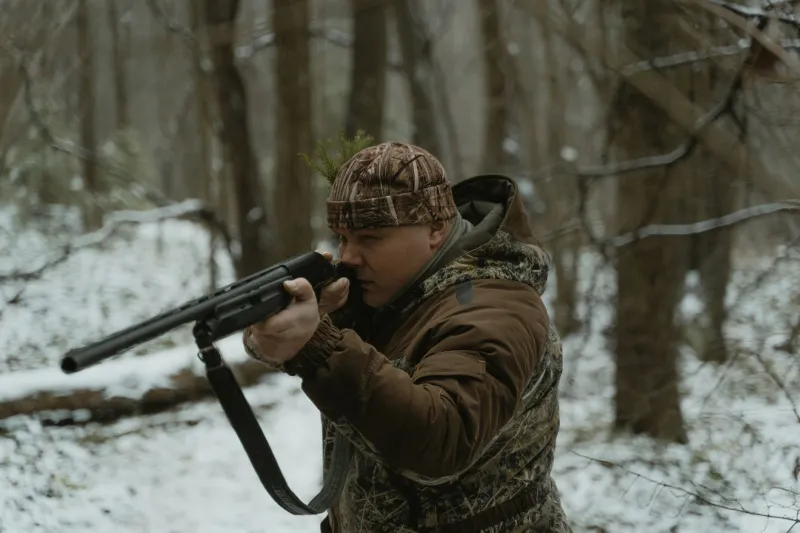
Let's be honest about something: most hunters quit when it gets cold.
Not cold like "I wore an extra layer" cold. Cold like minus-ten at dawn, frost in your scope caps, fingers that stop feeling the trigger guard around the second hour of a stand. The kind of cold that makes a warm truck and a cup of coffee feel like the most reasonable thing in the world.
And that's exactly why the hunters who don't quit — the ones who dial in their rifles in January and head back into the timber when everyone else has hung up their gear — consistently tag out. Winter isn't just a season. For those willing to adapt, it's a competitive advantage wrapped in frostbite and suffering.
What Cold Does to Your Rifle (And It's Not What You Think)
Here's the thing about temperature and rifle performance that a lot of hunters gloss over: the mechanical changes are real, measurable, and if you ignore them, you will miss shots you have no business missing.
Start with your ammunition. Propellant burn rate is temperature-sensitive. Most standard rifle powders lose pressure as temperatures drop, which means lower muzzle velocity. We're not talking catastrophic failure here — but a load that clocks 2,920 fps on a 70-degree range day might be pushing 2,820 fps at ten degrees. Over 400 yards, that velocity loss translates to additional bullet drop that your warm-weather dope card doesn't account for.
Different powder formulations handle cold differently. Temperature-stable powders — products marketed specifically for hunting applications — exist for exactly this reason. If you're serious about winter shooting, it's worth testing your specific load across temperature ranges before the season, not after you've missed a shot that mattered.
Then there's your rifle's action. Lubricants thicken in the cold. A bolt that runs smooth in October can feel sluggish and heavy in December. Some hunters have had actions lock up entirely after a hard cold snap, not from mechanical failure but from standard gun oil turning into something closer to grease. The fix is simple: clean your action and apply a cold-weather appropriate lubricant before heading out. There are dedicated products for this, and using one costs about ten dollars. A missed shot at a trophy buck costs considerably more.
Scopes deserve attention too. Lens coatings and seals that hold up fine in moderate temperatures can develop fogging issues when you move from a cold environment into a warm one — like stepping out of a heated vehicle into frigid air. Keeping your rifle outside and at ambient temperature for at least an hour before your hunt eliminates most of this.
The First Shot Problem
Winter hunting crystallizes something that's always true but easy to forget in milder conditions: in real hunting situations, you almost never get a second chance to make a first shot count.
A cold bore — a rifle that hasn't been fired and is sitting at ambient temperature — shoots differently than a rifle that's been warmed by a few rounds downrange. The first shot from a cold barrel often lands slightly differently than subsequent rounds, sometimes by as much as an inch or more at 100 yards depending on the rifle and load. In warm-weather practice sessions, that difference often gets lost in the noise. In winter, when your first shot might be your only shot at an animal you've been patterning for weeks, it matters enormously.
Sam Rourke, an outfitter based in northern Montana who runs late-season whitetail and elk hunts, has strong opinions on this. "I've watched clients put five rounds into a half-inch group at the bench, then miss a deer at 200 yards clean. They practiced their fifth shot. They never practiced their first one." Rourke now requires clients to do dedicated cold-bore shooting during their pre-hunt practice — one shot, cold rifle, from field positions. Then they note where it hit and build that information into their shooting plan.
It sounds almost too simple. But it's the kind of discipline that distinguishes hunters who consistently connect from those who consistently explain what happened.
Winter Strips Away the Excuses
There's an argument to be made — and I'll make it here — that winter hunting is the most honest form of the sport.
In September, conditions are often forgiving. Game is abundant, shooting lanes are cleaner in some ways, and the physical demands, while real, are manageable for most reasonably fit hunters. The margin for error is wider.
Winter closes that margin hard. Animals are pressured, often nocturnal, and grouped differently than they are early season. Shots come in compressed windows. The cold punishes poor preparation at every level — your gear, your rifle, your physical conditioning, and especially your mental state.
That mental piece is where winter hunting really separates people. Cold degrades fine motor skills. Shivering, even mild shivering, is death to trigger control. The psychological weight of discomfort — the part of your brain that keeps suggesting you call it a day — creates a kind of interference that doesn't exist when you're shooting in pleasant conditions.
The hunters who thrive in winter aren't necessarily better shots. They're better at managing that internal noise. They've practiced in the cold deliberately, they've failed in the cold and learned from it, and they've built enough confidence in their preparation that the discomfort becomes background rather than foreground.
Practical Adjustments That Actually Work
If you're committed to making winter hunting part of your regular season — and you should be — here are the adjustments that consistently make the difference.
Know your cold-bore impact point. Shoot your rifle cold, from the position you're most likely to be in during a hunt, and record where that first round lands relative to your zero. It may be exactly where you expect. It may not. Either way, you need to know.
Switch to cold-stable ammunition. Federal, Nosler, and several other manufacturers offer loads specifically engineered to minimize velocity variation across temperature swings. Test before you trust.
Ditch standard gun oil for cold-weather lubricant. Slip 2000 EWL, FrogLube, and a handful of other products maintain viscosity in extreme cold. Your bolt will thank you.
Keep your trigger hand warm until the moment of the shot. Hand warmers, heavy mittens that come off for the shot, whatever system works for your setup. Cold fingers rob you of sensitivity and control.
Slow your breathing deliberately. Cold air increases respiratory rate, and a faster breathing cycle makes it harder to time your shot. Practice controlled breathing in cold conditions specifically. It feels different than it does in the summer.
The Hunters Who Stay Out Longest Win
At the end of the day, winter hunting rewards persistence in a way no other season does. The animals are still there. The tags are still valid. The only thing standing between you and a filled freezer is willingness to be uncomfortable and smart enough to be prepared for what that discomfort does to your equipment and your shooting.
Most hunters are home by December. The ones who aren't are out there with cold rifles, warm hands, and a first-shot mentality that didn't come from a range on a nice afternoon.
That's the edge. Turns out it was available all along.