Dead Air: The Acoustic Science That Explains Why Your Buck Never Flinched
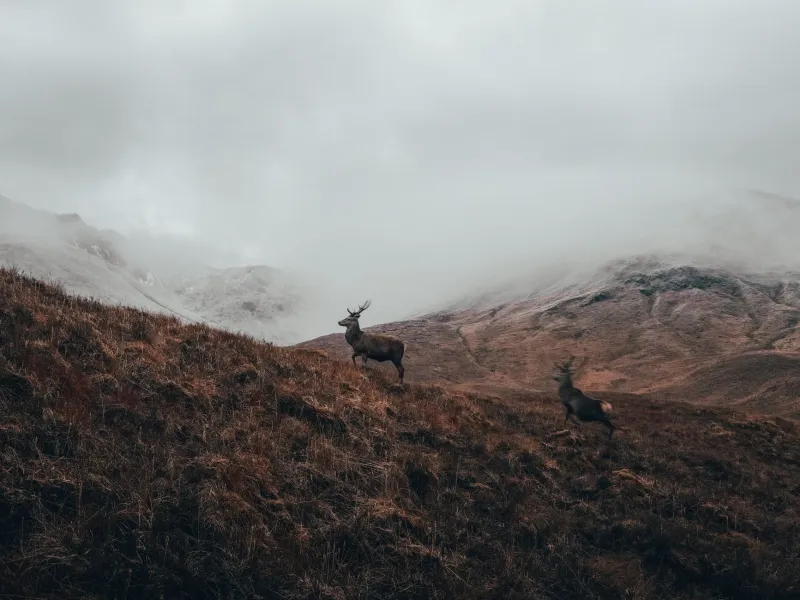
You've seen it happen. You break the shot on a mature buck at the edge of a river canyon, the rifle report hammers back into your ears, and the rest of the deer standing fifty yards away barely lift their heads. Other times, a single shot in open timber sends every animal within a quarter mile into a full sprint. Same rifle, same load, completely different reaction from the animals downrange.
That isn't luck. It's physics. And once you understand the acoustic science behind rifle reports in varied terrain, you stop being surprised by animal behavior after the trigger breaks — and start predicting it.
Sound Is Not a Simple Thing
Most hunters think of a gunshot as a single loud event. In reality, a rifle produces at least two distinct acoustic signatures simultaneously: the muzzle blast and the supersonic crack of the bullet itself. If you're shooting a round traveling above 1,125 feet per second — which covers the vast majority of hunting cartridges — that bullet is punching through the air faster than sound can travel. The crack arrives from downrange, not from the muzzle. Animals positioned ahead of the shooter often hear the bullet crack before they hear the muzzle blast, and the directional confusion that creates can work in your favor or against you depending on terrain.
In a dense forest, both sounds scatter, reflect off tree trunks, and arrive at an animal's ears from multiple directions at nearly the same time. The result is an acoustic smear — a wall of noise with no clear point of origin. A deer in that situation has no clean directional cue. It might jump, spin, or just stand there looking confused. In open country, the sounds arrive cleanly and sequentially, giving prey animals a much sharper fix on where the threat originated.
How Terrain Shapes the Sound Signature
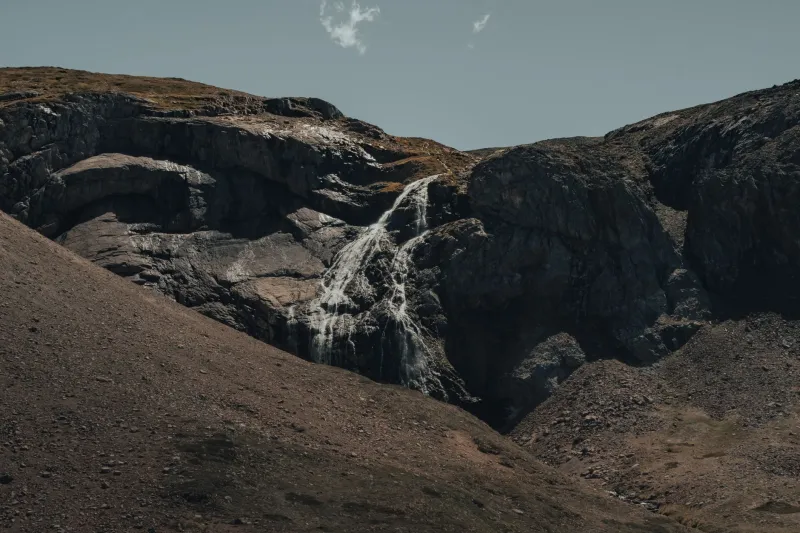
The Lost River country of central Idaho — the kind of broken, canyon-carved terrain that defines serious backcountry hunting in the American West — is a perfect classroom for this subject. Shots fired across a canyon don't behave the way they do on a flat bench. Sound bends. It reflects off cliff faces, gets absorbed by dense brush, and channels through draws like water.
This phenomenon is called acoustic shadowing and refraction, and it's the same reason you can sometimes hear a conversation clearly from two hundred yards across a still lake but can't hear someone shouting from fifty feet away in a dense pine stand. Sound waves bend toward cooler, denser air. In mountain terrain, that means morning shots fired across a valley often carry farther and more clearly than afternoon shots taken from the same position, because cold air in the bottom of a canyon acts like a waveguide, funneling the report outward.
Forest density matters enormously. Hardwood forests with thick canopy and heavy undergrowth absorb high-frequency components of a rifle's report much faster than low-frequency components. The sharp crack gets eaten up quickly. What reaches an animal's ears at distance is a muffled, directionally ambiguous thump rather than a sharp, identifiable bang. Conifer forests behave differently — the columnar structure of tall pines actually creates a more channeled acoustic environment, and sound can travel surprising distances along the forest floor with less distortion.
The Valley Effect and Why It Matters
Hunters who work deep canyon country should understand what guides and outfitters in places like Colorado and Montana have known for generations: shooting across a valley almost always produces a confused animal reaction. The report reflects off the opposite canyon wall and arrives back at the herd from a second direction. Animals hear the shot, then hear what sounds like a second shot coming from somewhere else entirely, and they genuinely don't know which way to run.
This isn't just interesting trivia. It has real tactical implications. If you're hunting a ridgeline where animals are likely to bolt uphill toward the opposite slope when spooked, a cross-canyon shot may actually buy you extra seconds because the herd hesitates. If you're hunting a flat bench where animals have a clear escape corridor, the same directional confusion won't help you — they'll just run the moment any sound registers as a threat.
Wind, Temperature, and the Moving Target
Acoustic behavior isn't static. Wind doesn't just affect your bullet's flight path — it actively reshapes how sound propagates across terrain. A steady crosswind at fifteen miles per hour will carry the muzzle report laterally, potentially delivering the loudest portion of the shot to animals standing off to the side rather than directly downrange. This is one reason why animals sometimes react to shots from positions where they should logically be in an acoustic shadow.
Temperature inversions, common during early morning elk hunts in mountain basins, create a layer of warm air sitting above cold air. Sound waves traveling upward hit that warm layer and refract back downward, which is why shots fired in inversion conditions sometimes seem unnaturally loud to hunters standing nearby. Animals in the basin below may hear the report with unusual clarity and intensity.
Reading Reaction to Improve Your Follow-Up
Once you internalize how sound moves through your specific hunting environment, you can start reading animal reactions more accurately in the seconds after the shot. A deer that bolts directly away from you in open terrain is reacting to a clean, directionally accurate sound cue — it knows exactly where you are. A deer that jumps, looks around, and then mills in place is working with poor acoustic information. A deer that drops at the shot but has companions standing nearby in dense timber may have those companions confused enough that a careful hunter can remain in position for a follow-up opportunity.
None of this replaces shot placement, ethical practice, or sound judgment in the field. But the hunters who consistently put meat on the ground in hard country aren't just good shooters. They're students of the environment — the wind, the terrain, the light, and yes, the sound. Understanding the acoustic signature of your rifle in the specific terrain you hunt is one more edge that separates a lucky season from a consistently productive one.
The wilderness doesn't play fair. But it does follow rules. Learn them.