Range Perfect, Field Broken: The Hidden Forces That Wreck Your Best Loads When It Counts
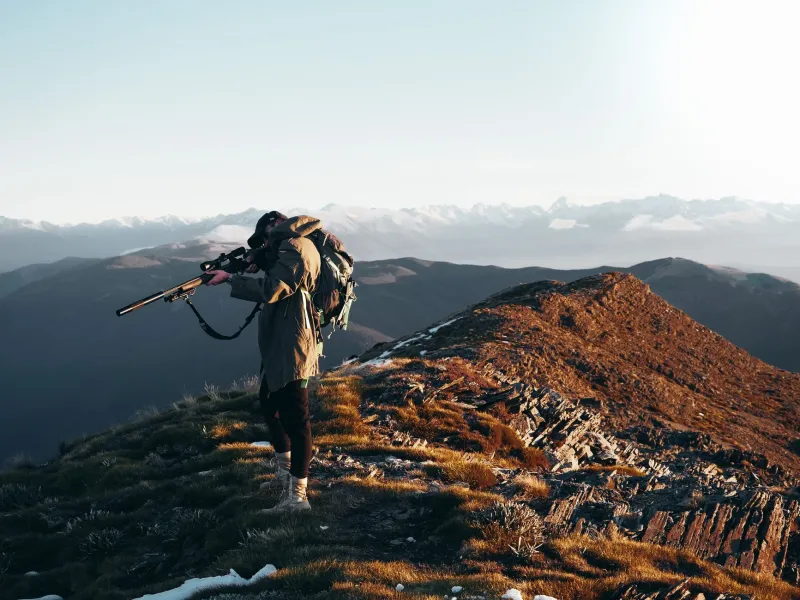
There's a particular kind of frustration that only handloaders know. You've run the ladder tests. You've chased the nodes. You've got a load that prints sub-half-MOA groups on a calm Tuesday morning at your local range, and you've got the targets to prove it. Then you haul yourself into the backcountry, set up on a bull elk at 340 yards, and something goes wrong. The bullet hits low. Or the group that should have been there just... isn't.
You didn't flinch. The wind wasn't a factor. The animal was broadside and still.
So what happened?
The short answer is that your load was never as universal as you thought it was. The longer answer is the one worth sitting with — because it changes how you think about ammunition, rifles, and the whole idea of being "dialed in."
The Range Is a Controlled Lie
This isn't a knock on range work. Developing loads under controlled conditions is essential — you need a baseline, and a covered bench with calm air gives you one. But that baseline comes with invisible asterisks that most shooters never read.
Temperature is the big one. Powder burn rates are sensitive to ambient temperature in ways that vary significantly by propellant type. A load developed on a 72-degree afternoon in September behaves differently when you're chambering rounds at 18 degrees on an Idaho ridge in November. Depending on the powder, you might see velocity swings of 50 to over 100 feet per second across a 50-degree temperature differential. That's not a rounding error — at extended range, that kind of velocity shift moves your point of impact in ways your dope card doesn't account for.
Some powders are marketed as temperature-stable, and there's truth to that. But "stable" is relative. Even the most forgiving propellants show some shift, and when you're stacking that shift on top of other field variables, the compound effect gets real in a hurry.
Humidity, Fouling, and the Slow Creep of Inconsistency
Range sessions typically happen in short windows. You fire a string, you clean up, you go home. Field conditions don't work like that.
A backcountry hunter might carry the same rifle for five days without a cleaning opportunity. Barrel fouling builds in patterns that can tighten groups initially, then open them up as carbon and copper accumulate unevenly. That first cold-bore shot on day one and the first cold-bore shot on day four are coming out of two different barrels, functionally speaking — even if it's the same rifle.
Humidity adds another layer. High moisture environments affect both powder combustion and bullet stability in subtle ways. More practically, humid conditions can introduce inconsistency into your primer seating and case neck tension over time, especially if your ammunition storage isn't airtight. Hunters packing rounds loose in a jacket pocket for a week are running a slow-motion degradation experiment on their handloads.
None of these factors are catastrophic in isolation. Together, they build a case that the "perfect" load you developed at the range was optimized for a very specific set of conditions that the field has no obligation to replicate.
Shooter Fatigue: The Variable Nobody Wants to Admit
Ask a competitive shooter or a serious backcountry hunter about their worst shots and most of them will eventually get around to the same uncomfortable truth: they were tired.
Not tired in the obvious, falling-asleep way. Tired in the subtle, behind-the-eyes way that comes from three days of hard miles, altitude adjustment, and poor sleep in a tent. The kind of tired that shaves a fraction of a second off your trigger press and puts just enough tension in your support hand to shift a shot that should have been perfect.
Loads developed at the range are developed by a rested shooter in a comfortable position. The field version of you — the one who just climbed 2,000 vertical feet and is running on jerky and adrenaline — is not the same shooter. Your ammunition doesn't know that. It's still performing to spec. But your execution of the shot is a different story.
This is why some experienced hunters deliberately practice under fatigue. Not to simulate being bad at shooting, but to understand where their personal performance floor is and to develop the discipline to recognize when conditions are and aren't right for a shot.
Building Loads That Travel
So what do you actually do about all of this? A few practical approaches have emerged from hunters and competitors who've wrestled with this problem seriously.
Test across temperature extremes. If your load development only happens in mild weather, you don't know your load. Run velocity tests in cold conditions — even if that means a winter range session you'd rather skip. Compare your cold-weather numbers to your warm-weather baseline and update your dope accordingly.
Choose powders with a temperature-stability track record. Hodgdon's Extreme series and several Alliant powders have earned reputations for consistency across a wider temperature range. Your favorite fast-burning pistol powder might not have the same field manners. Do your homework on propellant temperature sensitivity before you commit to a hunting load.
Develop with fouling in mind. Instead of shooting from a clean barrel every session, run some groups after 30 or 40 rounds without cleaning. Know what your rifle does when it's dirty. If your load tightens up at round 10 and falls apart at round 40, that's important information.
Store ammunition properly. This sounds basic because it is, but it's also regularly ignored. Airtight cases, away from temperature extremes and moisture. If you're carrying rounds in the field, keep them in a quality container — not loose in a pocket where they're subject to sweat, humidity, and impact.
Build in a performance margin. Some hunters deliberately load to slightly conservative velocities — not chasing maximum performance, but aiming for a velocity window where the load remains consistent across a wider range of conditions. You sacrifice a small amount of theoretical performance in exchange for real-world reliability. That's a trade most experienced field shooters are happy to make.
The Honest Conversation About "Dialed In"
The phrase gets thrown around a lot — in forums, at the range, in hunting camp. But being truly dialed in isn't a static achievement. It's a moving target that accounts for where you're shooting, when you're shooting, and who's pulling the trigger on a given day.
The range is where you build the foundation. The field is where you find out what that foundation is actually made of. The best hunters and shooters treat those two environments as partners in an ongoing conversation rather than assuming the range work automatically translates.
Your load doesn't fail in the field because you did something wrong at the bench. It fails because the bench and the field are fundamentally different places, and pretending otherwise is the most expensive assumption in the sport.
Know the difference. Plan for it. And when you finally get your shot — cold, tired, at altitude, in the wind — you'll have a load that was built for that moment, not just for a calm morning at 72 degrees.