One Bad Call: The Moment Solo Hunters Go From Missing to Gone
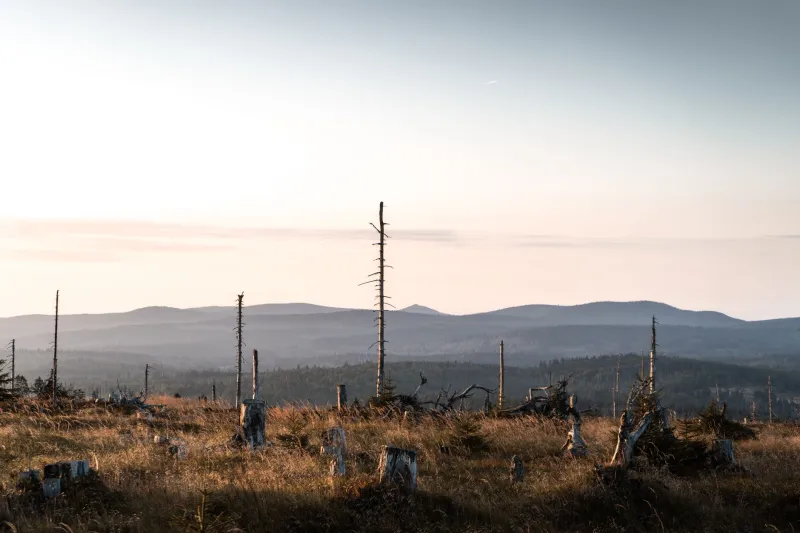
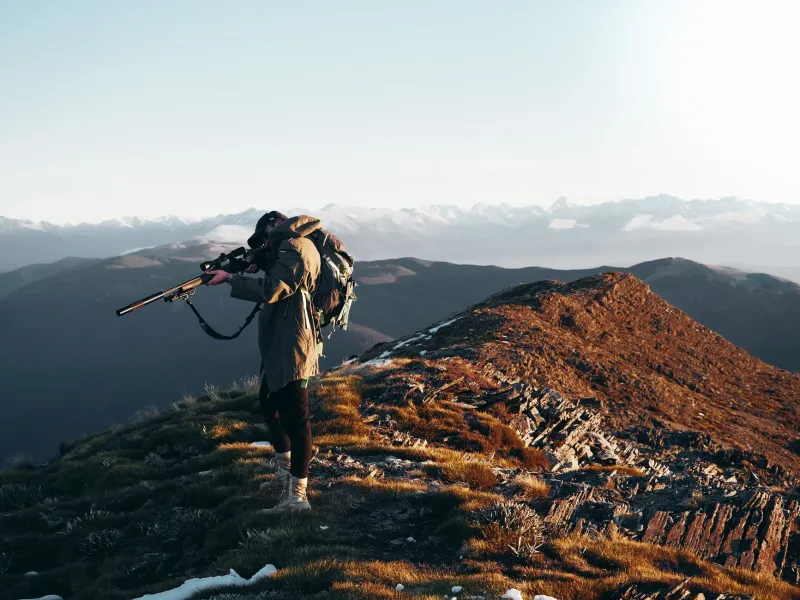
Randy Colson had been hunting the backcountry of central Idaho for eleven years. He knew the drainage. He'd packed out elk from that basin three times before. He had a GPS unit, a satellite communicator, and thirty years of field experience. He also spent four days in a snow cave waiting to be found after a decision he made in roughly forty-five seconds.
"I thought I knew where the trail was," he told us. "I'd walked it a hundred times. I didn't want to lose another hour of daylight going back the long way."
That forty-five-second decision—to cut cross-country in fading light rather than retrace a known route—triggered a chain of events that nearly killed him. His GPS battery died. His communicator signal couldn't punch through the canyon walls. A storm moved in two hours ahead of forecast. By the time his hunting partner reported him missing, Randy was already hypothermic and hunkered down in the only shelter he could build.
He survived. Not everyone does.
What SAR Teams Actually See
We spent time talking with search-and-rescue coordinators from Montana, Idaho, and Colorado—three states that run more backcountry hunter rescues than almost anywhere in the country. The patterns they describe are striking in their consistency.
"Experience is almost never protective," says a veteran SAR coordinator in western Montana who has led over 200 wilderness searches. "In some ways, it works against people. Experienced hunters trust their instincts more than their circumstances. They've gotten away with marginal decisions before, so they keep making them."
This is a phenomenon psychologists call outcome bias—judging past decisions by how they turned out rather than by whether the decision itself was sound. A hunter who cuts a ridge in bad weather and makes it back fine learns the wrong lesson. The decision was still reckless. He just got lucky. And now he's slightly more likely to make it again.
The SAR community has a darker version of this observation: the hunters who don't come home are often the most capable people in their group. They're the ones who get sent into the hard terrain. They're the ones who feel comfortable pushing a little further. And when things go wrong, they're the ones who trust their own judgment over the evidence in front of them for just a few minutes too long.
The Architecture of a Fatal Misjudgment
According to incident reports and survivor accounts, backcountry hunting accidents that turn fatal tend to share a specific structure. It's rarely one catastrophic mistake. It's a sequence of small decisions, each one slightly outside the margin of safety, compounding until there's no margin left.
SAR professionals call this the drift—a gradual departure from sound practice that happens so incrementally the hunter doesn't register it as a departure at all.
The drift typically looks something like this:
Decision one: Push an extra mile to reach a glassing point before light fails. Reasonable on its own.
Decision two: Don't turn back when the weather starts to shift, because you're close to the truck and you've seen worse. Still arguably defensible.
Decision three: Try to shortcut the return route because you're burning daylight and you think you remember the terrain. This is where the drift becomes dangerous.
Decision four: Don't activate your communicator because you're not actually lost yet—you're just a little turned around. You'll figure it out in a few minutes. This is the one that kills people.
That last decision—the refusal to call for help before it becomes absolutely necessary—is the single most common factor in recoveries that should have been rescues. SAR teams have a saying: the call that comes in two hours earlier saves a life. The call that comes in when someone is already in serious trouble often saves a body.
Why Smart People Wait Too Long
Solo hunting creates a specific psychological environment that makes this pattern more likely, not less. Without a partner to reality-check your thinking, cognitive biases run unchecked. Three are particularly dangerous in a wilderness context:
Commitment bias. Once you've invested miles, hours, and effort into a course of action, abandoning it feels like failure. Turning back or calling for help represents an admission that you misjudged something. Experienced hunters, who often have strong identities built around competence and self-reliance, are especially resistant to this.
Optimism bias. The human brain is structurally inclined to underestimate the probability of bad outcomes, particularly in familiar environments. A hunter who knows a mountain well tends to mentally minimize its hazards—not because he's careless, but because familiarity breeds a sense of control that the mountain doesn't actually respect.
The bystander effect, solo edition. In group situations, bystander effect describes the tendency to assume someone else will take action. Solo hunters experience a strange inversion of this: they assume that because they're the only one who can help themselves, the situation can't be that bad yet. If it were truly serious, surely they'd feel more urgency.
The Decision That Splits the Outcome
Every SAR professional we spoke with identified the same inflection point: the moment when a hunter recognizes something is wrong but hasn't yet committed to a response.
In that window—which can be as short as a few minutes or as long as an hour—the hunter makes the call that determines whether this becomes a story or a statistic. And the research is unambiguous: the hunters who activate their communicators, stay put, and start building shelter at the first sign of serious trouble survive at dramatically higher rates than those who push on hoping to self-rescue.
"Stop early, signal early, shelter early," says one Colorado SAR veteran. "Every word of that sentence matters equally. The guys who make it back are the ones who do all three before they feel like they have to."
Practical preparation matters enormously, but it's secondary to this mindset shift. You can carry every piece of survival gear ever made and still die on a mountain because you waited thirty minutes too long to use it.
Before You Go Solo
If you're hunting alone this season—and plenty of us will be—the most valuable thing you can do isn't buy a better GPS. It's decide, before you leave the truck, what specific conditions will trigger an immediate response. Write them down if you have to. Share them with someone who knows where you're going.
Because in the moment, when you're tired and cold and convinced you're almost back to the trail, your brain will argue for thirty more minutes. It will make a compelling case. It usually does.
Don't give it the chance.