Everything You Trusted Last Season Is Already Working Against You

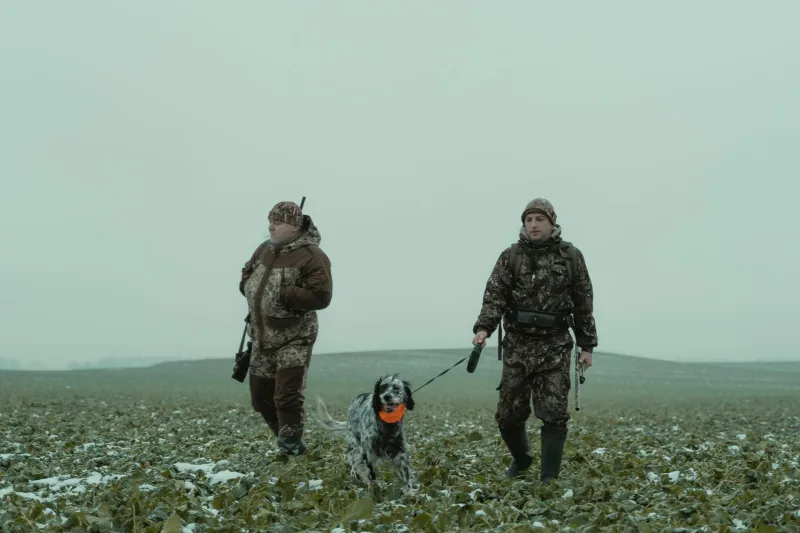
Photo by Photo by Dana Khaddaj on Unsplash on Unsplash
There's a particular kind of confidence that comes from a rig you've shot well with before. You know its trigger, you've memorized its recoil, and you trust it the way you trust an old truck—completely, and maybe a little blindly. That trust is exactly what gets hunters into trouble.
Equipment doesn't fail on a schedule. It doesn't send you a warning shot or a polite notification. It degrades in the margins, in the places you're not looking, and it waits until the worst possible moment to remind you that gear is a living system—not a permanent investment.
Before this season's first tag goes in your pocket, you need to do more than wipe down your rifle and call it ready. You need to conduct a real audit. Here's where to start.
The Components That Fail First (and Fastest)
Most hunters focus their pre-season attention on the obvious stuff—zero confirmation, bore cleaning, maybe a fresh battery in the rangefinder. That's fine as far as it goes, but the components that actually fail first are almost never the ones you're checking.
Scope rings and bases take the most mechanical abuse of anything on your rifle. Every shot sends a shockwave through that mounting system. Over hundreds of rounds across multiple seasons, aluminum rings micro-deform, screws back out under recoil, and the relationship between your optic and your bore drifts in ways that don't show up until you're trying to explain a six-inch miss at 300 yards. Torque every fastener with a proper driver before you shoot a single confirmation round. If you're still running rings you bought at a big-box store three seasons ago, it's worth the forty bucks to upgrade.
Recoil pads are another silent killer. Urethane and rubber compounds break down with UV exposure and temperature cycling—the same freeze-thaw abuse your rifle takes in a truck bed or a gun safe that isn't climate-controlled. A hardened recoil pad changes your cheek weld, which changes your eye relief, which changes your point of impact. You won't feel it happen. You'll just start missing.
Triggers deserve more respect than they get. A factory trigger that broke crisply at four pounds when it was new may creep, stack, or feel entirely different after exposure to field conditions—dust, moisture, temperature extremes, and the occasional drop you never told anybody about. Pull weight and break quality are worth testing on a scale before you commit to hunting season.
The Barrel Problem Nobody Talks About
Here's an uncomfortable truth: your barrel has a round count, and most hunters have no idea where they are in that count.
A quality hunting barrel will typically deliver consistent accuracy through somewhere between 1,500 and 3,000 rounds depending on caliber, throat erosion rate, and how hot you run it. Magnum cartridges burn through barrels significantly faster. If you've been running a 7mm Rem Mag hard for five seasons of practice and hunting, you may already be past the point where throat erosion is affecting your groups in ways you're attributing to ammo or your own technique.
Look for the signs: groups that used to be one-hole at 100 yards that now look like a loose pattern, velocity spreads that have widened even though you haven't changed your load, or copper fouling that won't clean out the way it used to. A gunsmith can slug your bore and give you an honest assessment. Don't skip that conversation.
Environmental Exposure and the Hidden Damage You're Not Seeing
Gear that lives in the American West faces a different enemy than gear that runs through Southern swamps or Great Lakes timber. But all of it takes punishment from the environment, and most of it takes more than hunters realize.
Synthetic stocks absorb and release moisture. Bedding loosens. The action-to-stock fit that gave you a consistent pressure point when you bought the rifle may have shifted enough to affect harmonic behavior. If you've noticed a rifle that used to be a one-load gun now seeming finicky, check the bedding before you blame the ammunition.
Optics fog from the inside when seals fail. A scope that clears up after a few minutes may seem fine, but internal fogging indicates compromised nitrogen fill—which means moisture is getting in, which means your optic is on borrowed time. Don't trust a fogging scope in the backcountry. You won't get a second chance to wait for it to clear.
Sling swivel studs, bipod feet, and muzzle devices all see wear that accumulates invisibly. A loose swivel stud introduces inconsistency into your shooting position. A worn bipod foot rocks when it should be locked. A suppressor baffle that's been through thousands of rounds may have erosion that's affecting your point of impact. These aren't hypotheticals—they're things that happen to hunters who trust their gear without verifying it.
Repair or Replace: Making the Call Without the Marketing Noise
The outdoor industry is very good at convincing you that last year's gear is obsolete and this year's version will solve all your problems. Most of the time, that's a sales pitch, not a field reality.
The honest framework is simple: if a component is performing within spec, maintain it and keep running it. If it's degraded in a way that affects accuracy, reliability, or safety, replace it—regardless of what it costs or how attached you are to it.
A trigger that breaks consistently at a weight you can work with? Clean it, inspect it, run it. A scope that's held zero through three seasons and still tracks perfectly? Verify it and trust it. But a recoil pad that's turned to hockey puck consistency, a scope mount that's showing visible deformation, or a barrel that's throwing groups you can't explain? Those aren't candidates for repair. They're candidates for replacement before they cost you an animal—or worse.
The Pre-Season Audit That Actually Works
Do this before you shoot a single round of confirmation ammo:
Start at the muzzle and work backward. Check your muzzle device for tightness and erosion. Inspect the crown for dings or damage. Run a patch and look at your fouling. Move to the action—check the bolt face, inspect the locking lugs, look at the ejector and extractor for wear. Move to the stock—check bedding, inspect the recoil pad, look at the inletting around the action screws. Move to the optic—test the seals, run through the full range of adjustments, verify tracking. Check every fastener in the mounting system with a torque driver.
Then shoot. Not to confirm zero—to verify function. If everything checks out mechanically, then confirm zero. If something feels off before you get to the range, fix it before you trust it with a season.
Your gear isn't your enemy. Complacency is. The rig that served you well last October is capable of serving you just as well this October—but only if you do the work to make sure it still can.