Cold-Chamber Chemistry: What Sub-Zero Temperatures Actually Do to Your Hunting Loads
You spent the summer working up a load. You found the sweet spot — the seating depth, the charge weight, the primer that lit everything off consistently. Your groups at the range were honest and repeatable. You felt good going into the season.
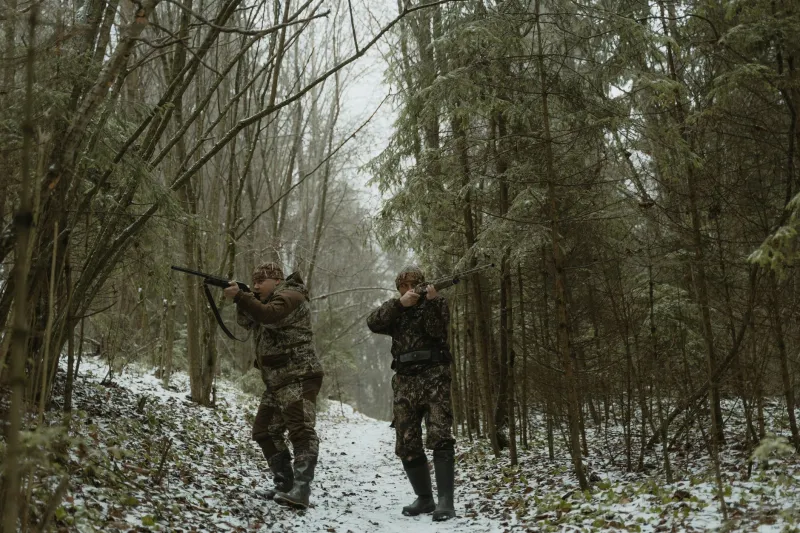
Then January showed up. Temperatures dropped into the single digits, you dragged yourself into the backcountry before first light, and somewhere between the truck and the ridge, the chemistry of your ammunition quietly shifted. Not dramatically. Not in a way you'd notice until it mattered.
Cold-weather ballistics is one of the most under-discussed topics in hunting circles. Most hunters know that cold affects their body, their optics, and their gear. Far fewer understand what happens at the molecular level inside a cartridge when temperatures plunge — and why that matters for shot placement and ethical kills.
The Powder Problem
Propellant is the most temperature-sensitive component in any cartridge. Modern smokeless powders are engineered to burn within a predictable pressure curve, but that curve shifts with temperature. Cold slows the burn rate. What that means practically is lower chamber pressure, reduced muzzle velocity, and a bullet that arrives at your target moving slower than your ballistic data predicted.
The velocity loss isn't trivial. Depending on the powder used, drops of 50 to 150 feet per second are common between a 70-degree range session and a 10-degree morning in the field. For a hunter shooting at 300 yards, that kind of velocity loss can translate to several inches of additional bullet drop — enough to turn a boiler-room hit into a gut shot, or a clean miss into a wounded animal.
Double-base powders, which contain nitroglycerin alongside nitrocellulose, tend to be more temperature-sensitive than single-base powders. Many handloaders working up cold-weather loads specifically choose single-base powders — or powders marketed as temperature-stable — to reduce this variation. Hodgdon's Extreme series and Alliant's Reloder 16 are commonly cited examples among serious mountain hunters who prioritize consistency across seasons.
What Happens to Your Primer
Primers take a hit in the cold too, though the effect is often overlooked. The priming compound — a small amount of impact-sensitive material that ignites the powder charge — becomes less sensitive at low temperatures. This doesn't usually mean a complete failure to fire, but it can mean slower, less consistent ignition.
Slower ignition translates to pressure curve inconsistencies. Rounds that ignite slightly differently from shot to shot produce velocity spreads — and wider velocity spreads mean wider groups at distance. If your handloads had an extreme spread of 12 fps in August, don't assume that number holds in January. Cold can open that spread considerably, particularly with older or bargain-bin primers.
For cold-weather hunting, many experienced reloaders opt for magnum primers even in non-magnum cartridges. The hotter ignition source compensates for the sluggish cold-weather response and tends to produce more consistent ignition across a wider temperature range. It's a small change with a meaningful real-world impact.
Bullet Metallurgy in the Cold
The jacket and core of your bullet are also affected by temperature, though the effect is more subtle than powder or primer behavior. At extremely low temperatures, the copper jacket becomes slightly less ductile. This can influence how a bullet engages the rifling, how it upsets on impact, and how reliably it expands through a game animal.
For hunters relying on bonded or controlled-expansion bullets — which are less dependent on velocity for reliable expansion — this is less of a concern. For hunters using older cup-and-core designs that require a specific velocity window to expand properly, the combination of cold-reduced velocity and cold-stiffened jacket can push the bullet outside its reliable performance envelope.
If you're hunting in serious cold and relying on a bullet that needs to expand, this is worth a hard look at your load data. Verify that your expected cold-weather velocity still falls within the bullet manufacturer's recommended expansion range. If it doesn't, you've got a problem worth solving before the season, not after.
Storage and Transport: The Details That Matter
How you store and carry your ammunition in cold conditions affects performance more than most hunters realize. Ammunition that rides in a warm truck cab and then gets loaded into a rifle sitting in 5-degree air will behave differently than ammo that's been at ambient temperature for several hours.
Elite mountain hunters typically keep their ammunition at or near ambient temperature throughout the hunt — stored in an exterior pocket or pack pouch rather than inside a warm layer against the body. The goal is consistency. A round that's been at 10 degrees for two hours will behave predictably at 10 degrees. A round that was at 70 degrees twenty minutes ago won't.
This also applies to your chamber and barrel. A rifle brought from a warm vehicle into cold air will take time to equilibrate. Moisture can condense on and inside the action, and that moisture can freeze. Running a dry patch through the bore before your hunt and keeping your action dry — not lubed with heavy oil that thickens in the cold — is standard practice among hunters who take cold-weather performance seriously.
Practical Adjustments for Cold-Country Hunters
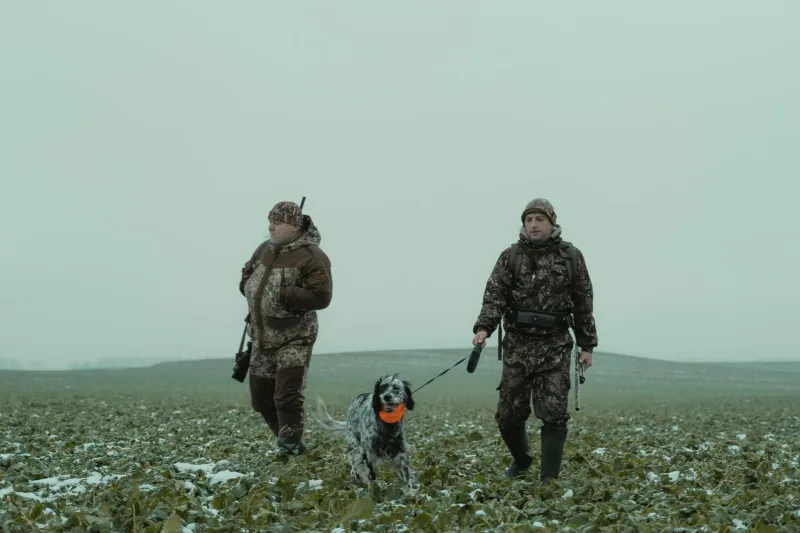
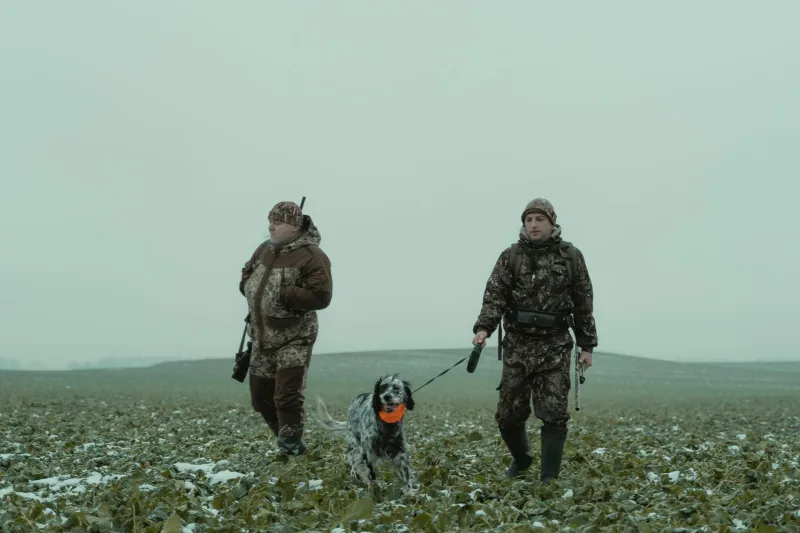
If you hunt in genuinely cold conditions — think late-season elk in Montana, January whitetails in the Upper Midwest, or any backcountry hunt where temperatures regularly drop below 20 degrees — a few practical steps make a real difference.
First, chronograph your loads in cold conditions specifically. Don't assume your summer velocity data is your winter velocity data. A cold-weather baseline tells you exactly what you're working with. Second, re-verify your dope at realistic cold-weather distances. Your drops will be different. Know them. Third, consider a cold-weather-specific load if you reload — a temperature-stable powder, magnum primers, and a bullet with a wide expansion velocity window will give you the most consistent performance.
The wilderness doesn't adjust for your load data. Your load data has to adjust for the wilderness — and for the chemistry that changes every time the mercury drops.